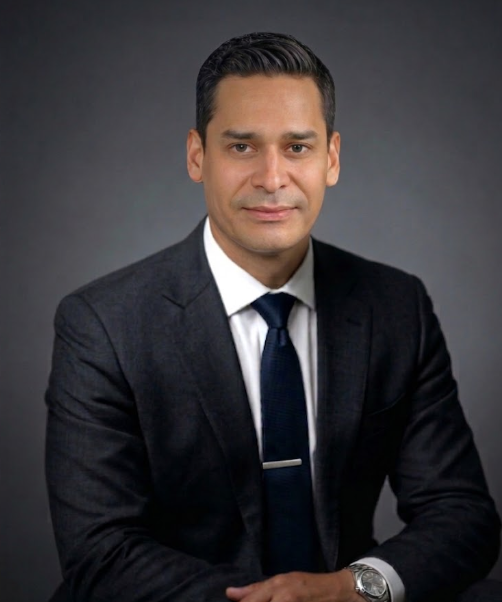
Thomas Ventura is not a theorist. He's a veteran operator who decoded his own survival code — because nothing else worked.
His story didn't start in America. He was born into a country that collapsed around him — surviving a catastrophic earthquake at two years old, then abandoned into dirt-floor poverty as a civil war erupted around him. By nine he had been held hostage at gunpoint for ransom, escaped a siege under machine-gun and tank fire, and been evacuated under fire aboard a U.S. C-130 military cargo plane.
His life in the States began at nine, in the ghettos of Brooklyn and later Los Angeles — through poverty, gang violence, and brutal domestic abuse. By his early twenties he had been nearly killed three separate times. That childhood taught his nervous system one lesson above all others: stay alert, or don't survive. That wiring got him out. It also never turned off.
He started with nothing and clawed his way out on feral, brute-force willpower. He took every job he could get, until he trained into underwater inspection — commercial diving for the oil majors, on sites across the country and overseas. He almost drowned twice. That forced him to find another path, one out of the employee trap.
Then six business failures. He swallowed the shame each time and refused to stop — until one of them finally worked, and he sold it in his early thirties. His first exit. He took that momentum and built two multi-million dollar business operations, running them side by side for over fifteen years: national logistics, complex supply chains, and heavy manufacturing across multiple regional hubs. Eight figures in cumulative revenue across both.
From the outside, it looked like the war was won. Inside, it was still being fought.
What he called ambition was high-functioning anxiety. What he called independence was a nervous system that never stopped waiting for the next attack. He was running a high-stakes life on undiagnosed Complex PTSD.
And underneath all of it, that familiar hum of imposter syndrome — the belief that no matter how much he achieved, he was still just a child of the gutter, faking his way through a success he didn't actually deserve.
What looked like "procrastination," "self-sabotage," or "rigid control" was his body hitting its biological capacity — a survival system protecting him against pressure it could no longer metabolize. It ended where it always ends: panic attacks mistaken for heart attacks, emergency rooms, and a hard ceiling that no strategy, discipline, or success could break through.
His survival operating system had a setpoint. That setpoint was his ceiling.
“Code can be rewritten. I had to rewrite mine.”
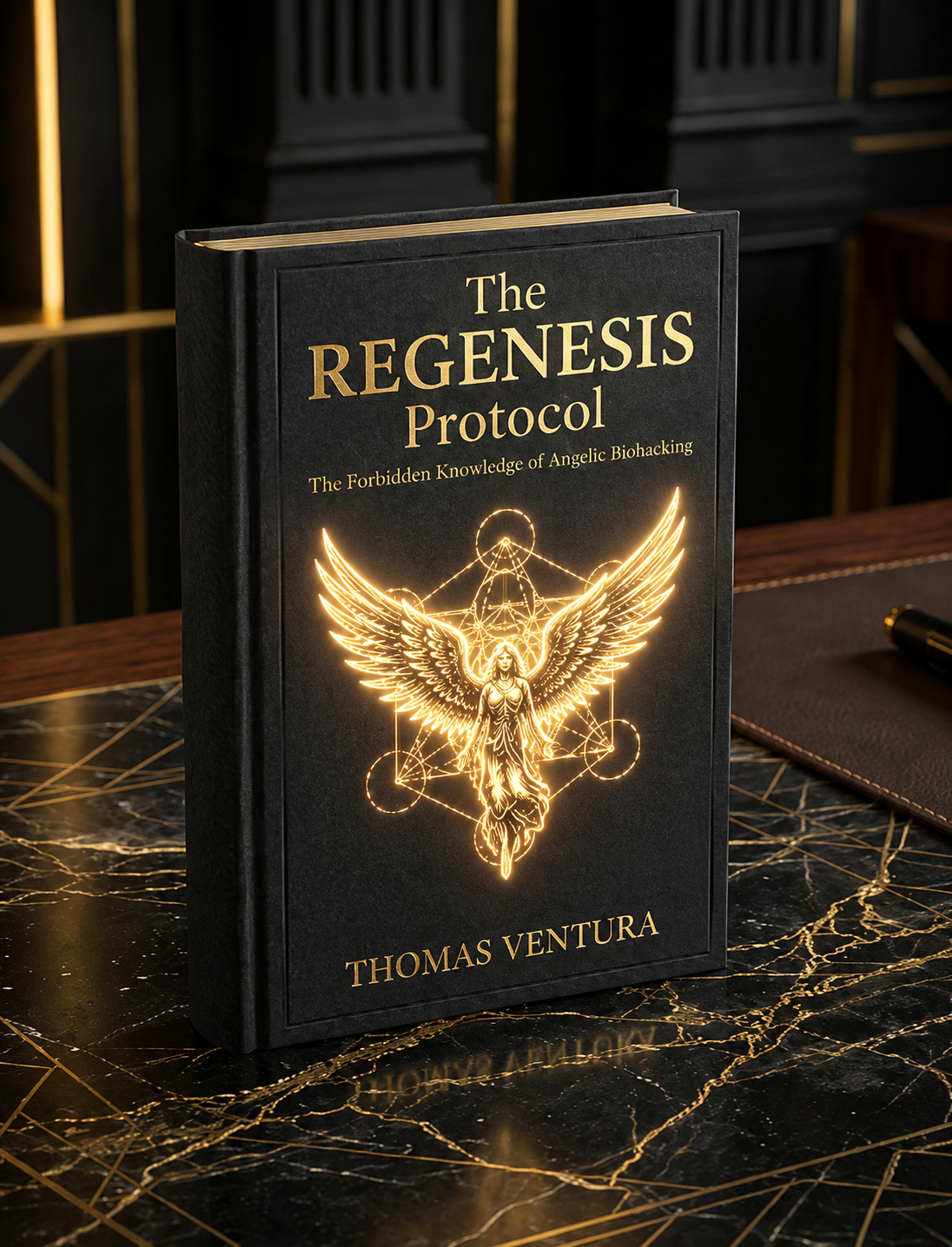
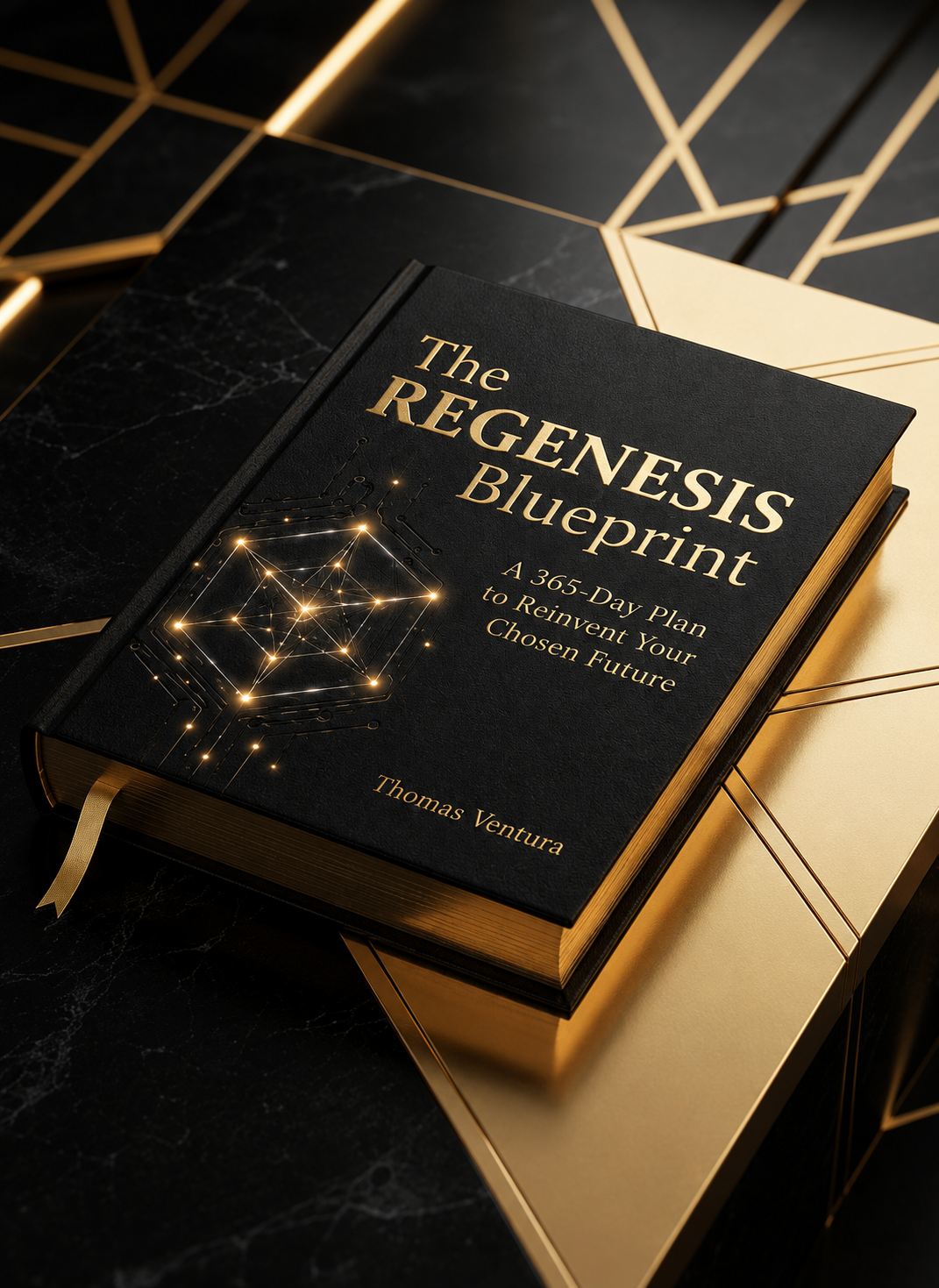
Refusing to accept the ceiling, Thomas spent years decoding it — mapping the human survival architecture across twelve scientific disciplines and testing everything on the hardest subject he had: himself. The result is The REGENESIS Project — an identity-architecture framework that decodes the Survival Operating System (SOS) silently capping your capacity, and reconfigures it.
Today, Thomas helps anyone with the drive to build, lead, or create — founders, creators, closers, and builders of every kind — end the internal war between their drive to expand and the survival code built to keep them safe and small.